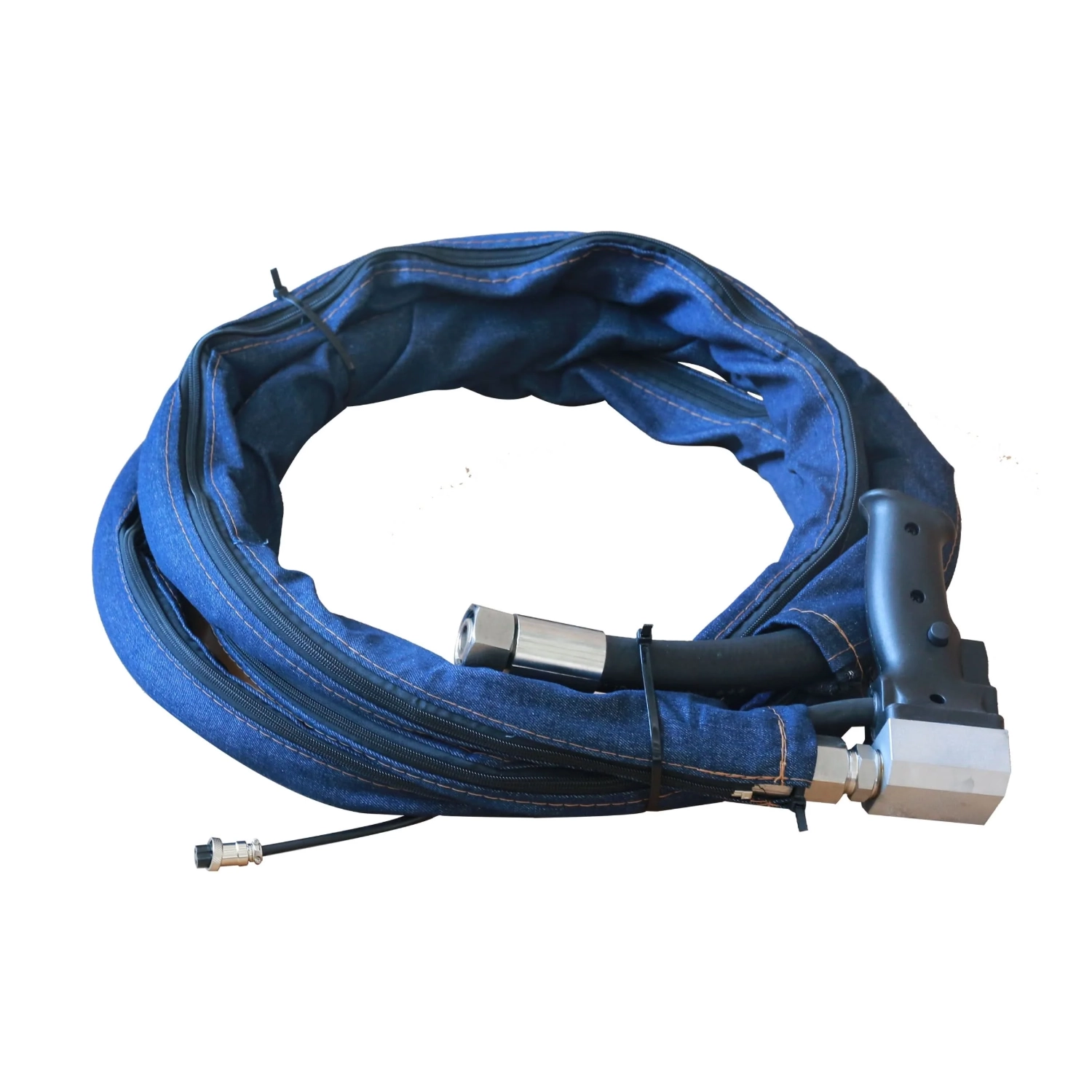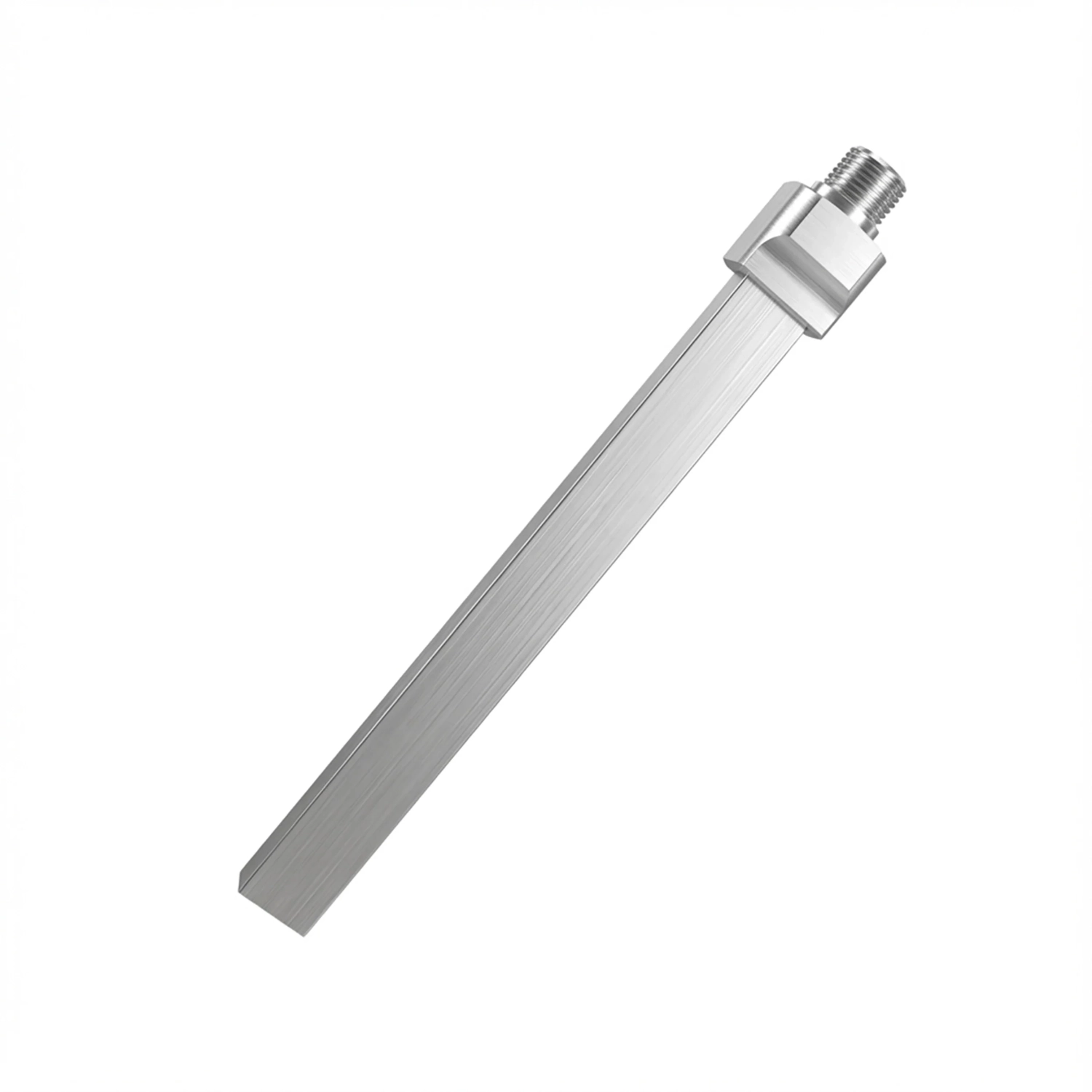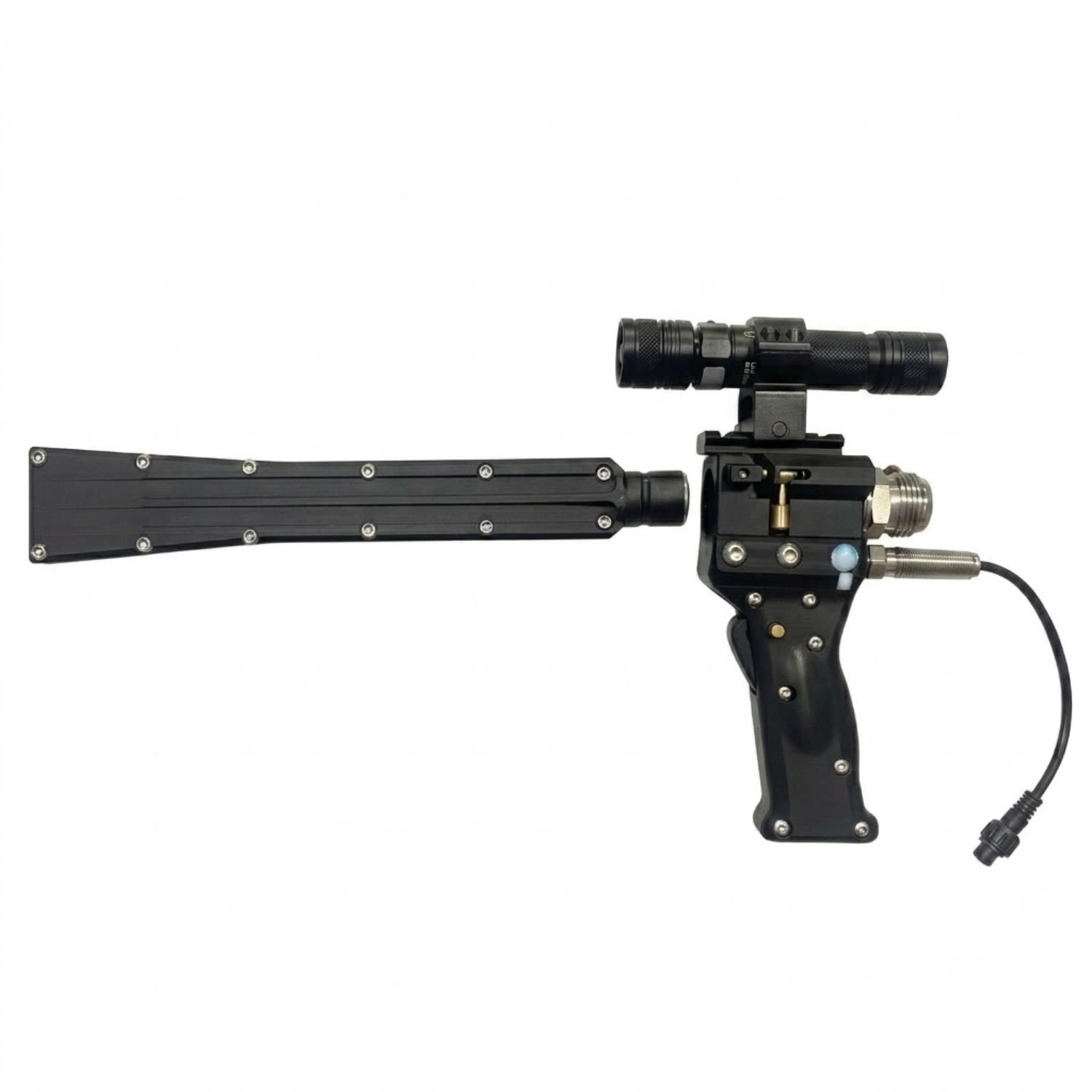
What operating case should be defined for Dry Ice Hose, Gun and Nozzle Compatibility?
Start with the installed machine and current assembly. Record the machine model, existing references, connection photographs, hose length, pressure range, and the work that must be reached.
- Replacing a damaged hose or gun
- Extending reach to elevated or confined work
- Changing nozzle shape for coverage or access
- Building a complete spare blasting assembly
What selection data is required for Dry Ice Hose, Gun and Nozzle Compatibility?
For dry ice hose, gun and nozzle compatibility, take values from the installed equipment, nameplate, drawings, or a measurement. Mark any unconfirmed input as pending.
- Machine model and revision
- Gun and hose connection at both ends
- Hose length, inside diameter, pressure, and temperature
- Nozzle thread, bore, shape, and material
- Current part number and dimensioned photographs
How should Dry Ice Hose, Gun and Nozzle Compatibility options be compared?
Longer reach can reduce repositioning, but it also adds pressure loss, weight, and handling effort.
| Situation | Option to review | Confirm before selection |
|---|---|---|
| General mobile work | 4 m hose and gun assembly | Machine interface and pressure range |
| Large equipment or elevated access | Longer hose assembly | Pressure loss, support, routing, operator load |
| Broad surface cleaning | Flat or wide-pattern nozzle | Air demand and surface tolerance |
| Tight recesses | Angled or focused nozzle | Clearance, standoff, impact |
What compatibility limits must be checked?
Do not select a hose or gun from length alone. Coupling geometry, sealing method, pressure rating, conductive control, and pellet passage must match.
- Mixing couplings that appear similar
- Using an unverified pressure hose
- Adding length without reviewing airflow loss
- Selecting a nozzle without checking surface risk
What should a quotation request include?
Send these items together so the review of dry ice hose, gun and nozzle compatibility can separate the main product, compatibility, accessories, documents, and freight.
- Machine and current part references
- Photos of both mating interfaces
- Required length and working area
- Pressure, airflow, pellet size, and duty
- Quantity and whether seals or spare nozzles are needed
What commercial scope must be confirmed?
Confirm machine interfaces, pressure ratings, pellet passage, seals, hose reach, and spare quantities. Record these points for dry ice hose, gun and nozzle compatibility.
- Quoted configuration for dry ice hose, gun and nozzle compatibility
- Confirmed technical input: Machine model and revision
- Acceptance check: Machine interface and pressure range
- Delivery scope: Quantity and whether seals or spare nozzles are needed
- Applicable warranty, consumables, and wear-item exclusions