What operating case should be defined for Dry Ice Supply, Production and Storage Planning?
Estimate demand by shift and by week. Separate active blasting consumption from test media, spills, transfer loss, and sublimation. A nominal container volume is not the same as usable pellet payload.
- Occasional jobs with dependable local pellet delivery
- Daily cleaning with long delivery distance
- Several machines sharing one pellet supply
- Cold-chain and blasting demand at the same site
What selection data is required for Dry Ice Supply, Production and Storage Planning?
For dry ice supply, production and storage planning, take values from the installed equipment, nameplate, drawings, or a measurement. Mark any unconfirmed input as pending.
- Measured kg/min and active blasting minutes
- Jobs per shift, shifts per day, and buffer days
- Pellet specification and acceptable age
- Delivery frequency, distance, and minimum order
- Liquid CO2 availability, pressure, purity, and connection
How should Dry Ice Supply, Production and Storage Planning options be compared?
Use a full operating period rather than one cleaning test. Include weekends, delivery windows, startup batches, and seasonal demand.
| Situation | Option to review | Confirm before selection |
|---|---|---|
| Low or irregular consumption | Delivered pellets | Supplier lead time, pellet age, minimum order |
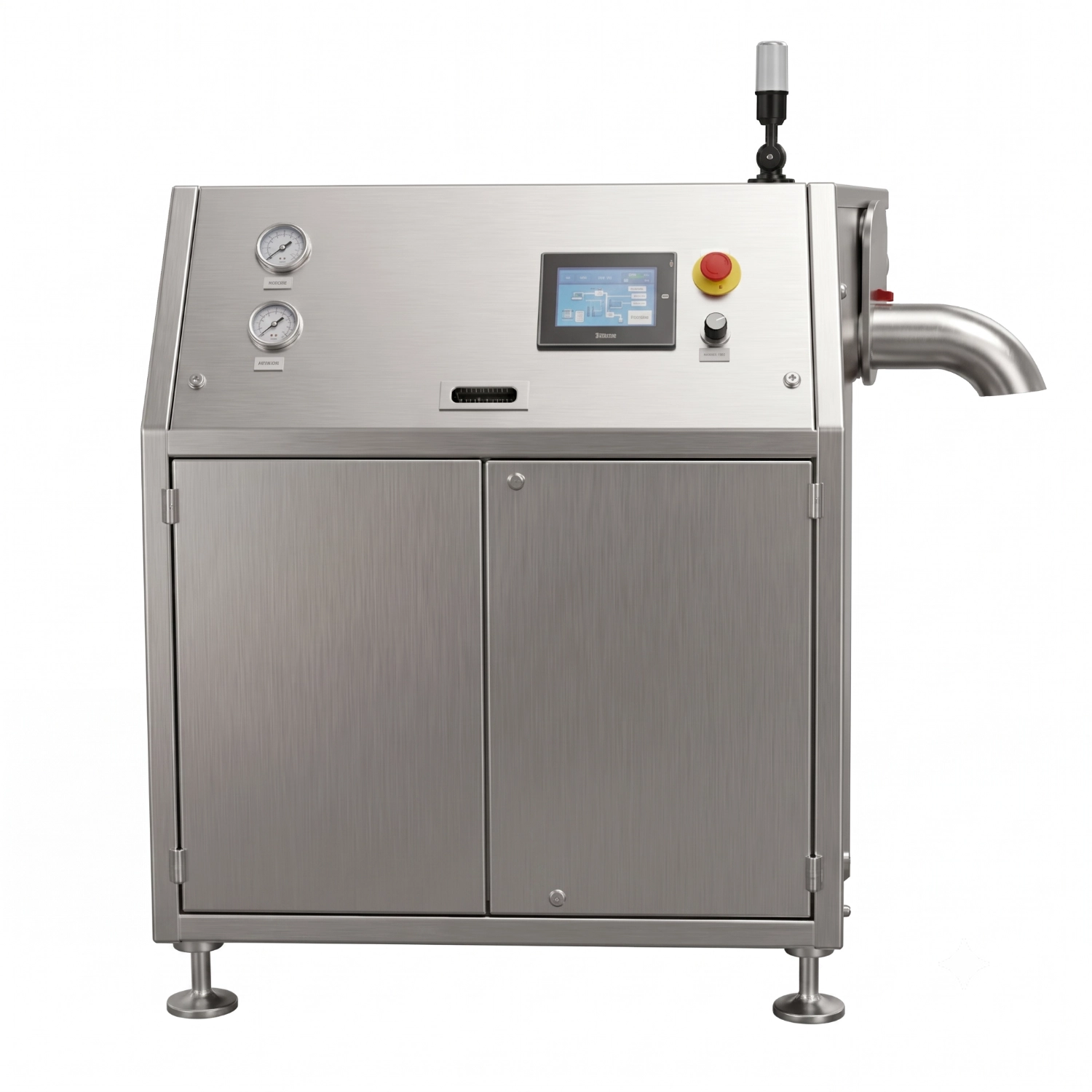
| Stable daily demand | GR-DIP-50KGH on-site production | CO2 supply, conversion rate, labor, maintenance |
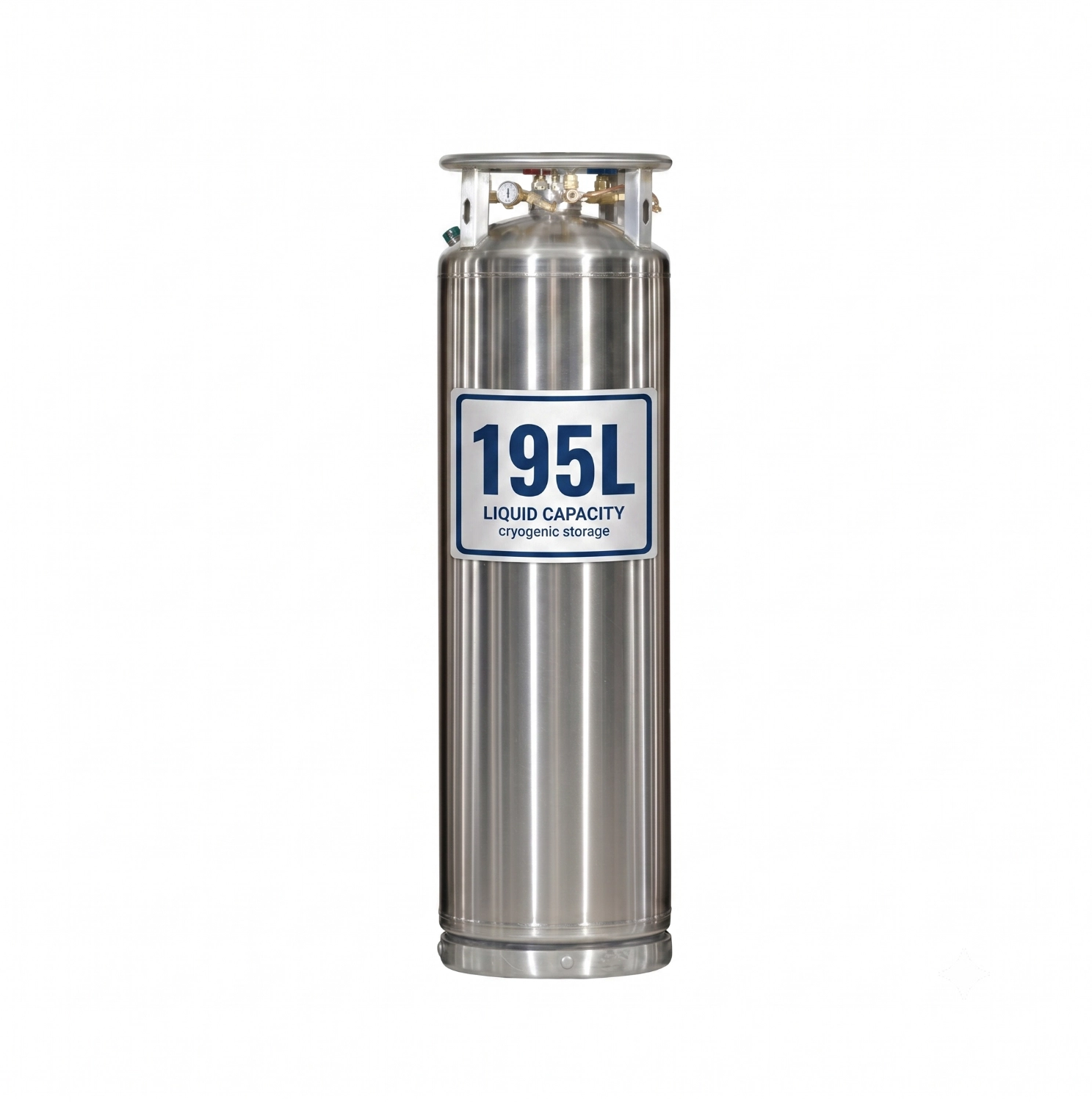
| Demand below 100 kg buffer | GR-DIS-135L class storage | Payload, access, handling, sublimation |
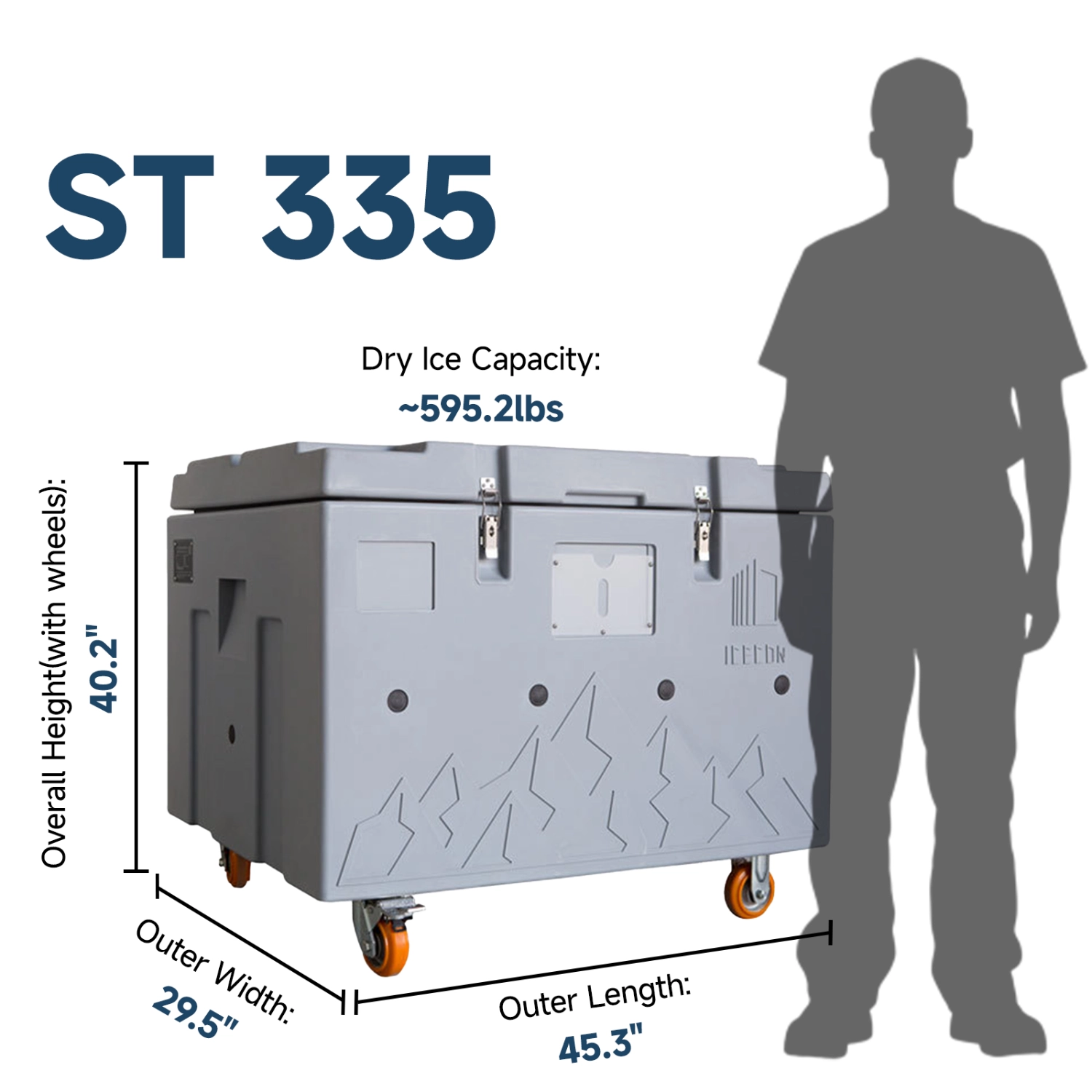
| Larger multi-day buffer | GR-DIS-335L or GR-DIS-480L class | Payload, floor loading, movement, fill limit |
What compatibility limits must be checked?
Match pellet size to the machine and application. Confirm the liquid CO2 source and connection before selecting a pelletizer.
- Using gross container volume as pellet payload
- Ignoring sublimation during delivery and weekends
- Buying a pelletizer without confirming liquid CO2 logistics
- Storing dry ice in an unventilated room or sealed vessel
What should a quotation request include?
Send these items together so the review of dry ice supply, production and storage planning can separate the main product, compatibility, accessories, documents, and freight.
- Daily and peak pellet demand
- Required pellet sizes
- Delivery location and supplier constraints
- Liquid CO2 specification and connection
- Storage access, floor loading, ventilation, and handling
What commercial scope must be confirmed?
Confirm air supply, pellet logistics, ventilation, operator controls, and the quoted machine configuration. Record these points for dry ice supply, production and storage planning.
- Quoted configuration for dry ice supply, production and storage planning
- Confirmed technical input: Measured kg/min and active blasting minutes
- Acceptance check: Supplier lead time, pellet age, minimum order
- Delivery scope: Storage access, floor loading, ventilation, and handling
- Applicable warranty, consumables, and wear-item exclusions